Teeth grinding at night can contribute to morning jaw soreness, temple headaches, tooth sensitivity, and repeated damage to dental restorations.
These symptoms may suggest sleep bruxism, the term for grinding or clenching during sleep, but they do not confirm that you are actively grinding.
Your dentist can examine how your teeth meet, identify patterns of tooth wear, and determine whether another condition may explain your symptoms. An uneven bite alone does not establish the cause of nighttime grinding.
Protecting your oral health does not necessarily require major bite changes.
Depending on your symptoms, treatments such as custom night guards or TMJ/TMD therapy may help protect your teeth or manage jaw discomfort.
A sleep evaluation may also be recommended when symptoms suggest an underlying sleep disorder.
What Signs Suggest You Grind Your Teeth During Sleep?
Your clearest clues include recurring morning discomfort, changes in your teeth, and grinding sounds noticed by your sleep partner. Tracking when symptoms happen helps your dentist assess them.

Morning Jaw Soreness and Temple Headaches
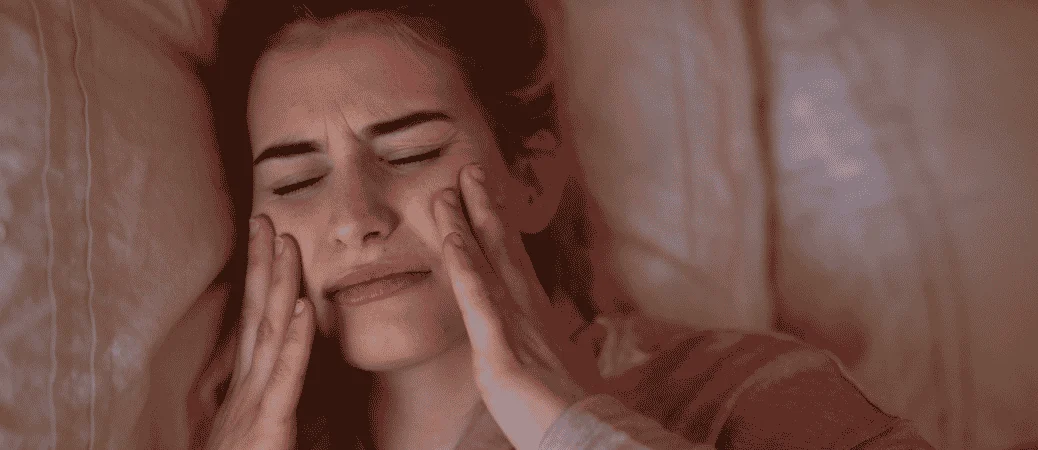
You might wake with tight cheek muscles or an ache near your temples. Notice whether your morning jaw pain eases after getting up, and whether chewing breakfast feels tiring.
Your morning headaches also deserve attention if they recur. Headaches have several possible causes, so describe their location and timing without assuming grinding explains them.
Sensitive, Flattened, or Chipped Teeth
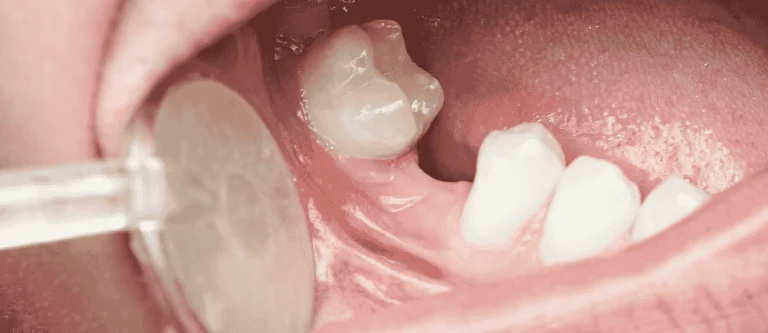
You might notice cold drinks becoming uncomfortable, front teeth looking shorter, or small chips along their edges. Exposed inner tooth layers from worn enamel increase sensitivity.
Your dentist also needs to consider decay and cracks. Mention any habit of chewing ice or eating foods that can chip your teeth, since those exposures help explain the damage.
Repeated Damage to Fillings and Crowns
Repeated repairs in the same area deserve a closer look at your chewing forces.
Frequent, forceful grinding can place repeated stress on dental restorations, increasing the risk of damage to fillings, crowns, and other restorative dental work.
Tell your dentist when each restoration failed and whether your bite felt different afterward. At Galleria Dentistry,
Dr. Gery Benza can evaluate recurring restoration damage, assess your bite, and look for signs of excessive grinding forces.
Grinding Sounds, Jaw Clicking, and Disturbed Sleep
Your sleep partner might hear scraping or crunching sounds before you notice discomfort. You might also experience sleep disruption or wake with tired jaw muscles.
Report jaw clicking along with any pain or catching. A sound recording offers a useful clue, but your dentist still needs an examination to assess its meaning.
What Can Grinding Do to Your Teeth and Bite?
With frequent, forceful grinding, you risk tooth damage and strain in the muscles that move your jaw. Your wear pattern helps show where pressure is concentrated, though it does not prove ongoing sleep bruxism.
Tooth Wear, Cracks, and Changes in Bite Alignment
As you lose tooth structure, your teeth become flatter or shorter. With advanced wear, the way your upper and lower teeth meet also changes.
Your dentist checks for cracked teeth and compares current findings with older records. Monitoring tooth wear over time helps separate older damage from changes that are still progressing.
Jaw Joint Strain vs. Normal, Painless Clicking
Your temporomandibular joints (TMJs) sit just in front of your ears and let your jaw move. Repeated jaw clenching puts extra load on this system, with muscle soreness or joint discomfort as possible results.
If your jaw clicks without pain and moves freely, you generally do not need treatment for the sound alone. Arrange an examination if you develop locking, restricted opening, or pain while chewing.
Grinding Wear vs. Acid-Related Enamel Erosion
Grinding-related tooth wear can develop when opposing tooth surfaces repeatedly rub against each other, sometimes creating matching flattened areas.
Acid-related enamel erosion involves chemical softening from exposures such as reflux or frequent acidic drinks.
You might have both processes at once, with acid-softened surfaces wearing faster. Your dentist checks the pattern and asks about your habits because tooth wear alone does not prove ongoing bruxism.
Why Does Nighttime Grinding Happen?
Your nighttime grinding is linked to sleep-related muscle activity and several possible risk factors. Your bite shape alone does not explain why it happens.

Sleep Bruxism vs. Awake Clenching
With sleep bruxism, you grind or clench during sleep without conscious control. You may also have awake bruxism, such as holding your teeth together while concentrating.
During the day, check whether your teeth are touching when you are resting. Noticing that habit gives you a chance to relax your jaw, although it does not establish what happens overnight.
Stress, Stimulants, and Medication Effects
Your stress and anxiety levels are worth discussing, especially if you also clench while awake. Tobacco, caffeine, and alcohol are linked with bruxism.
If your symptoms started after a medication change, contact your prescriber. Some antidepressants and other medicines are associated with grinding; keep taking prescribed medicine until you receive medical advice.
Sleep Apnea and Brief Sleep Arousals
Your sleep grinding episodes are associated with brief arousals, or shifts toward lighter sleep. You might never remember these sleep disturbances.
If you have obstructive sleep apnea, your upper airway repeatedly becomes partially or completely blocked during sleep, reducing or temporarily stopping airflow.
You can have both conditions, but grinding alone does not diagnose sleep apnea or mean that apnea caused it.
When Should a Dentist Check Your Bite?
Book a visit with your general dentist when symptoms persist, your teeth show damage, or your bite feels different. Bring details about your sleep and any recent dental repairs.
What a Dental Examination Can Reveal
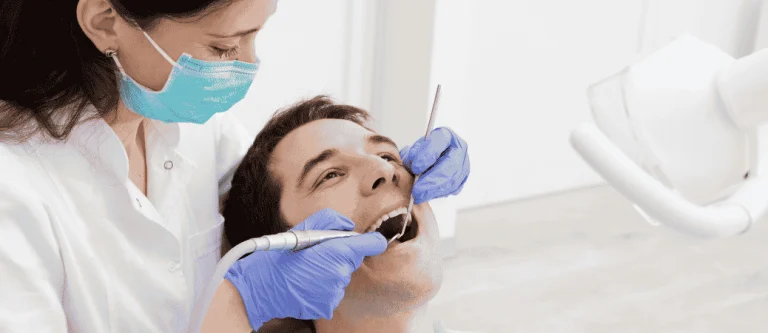
Your examination includes tooth surfaces, restorations, jaw movement, and muscle tenderness.
Your dentist may also check for malocclusion, a condition in which the upper and lower teeth are misaligned or do not fit together properly when you bite.
During the visit, clues visible in your smile help guide closer checks. Your dentist may monitor changes over several visits to judge whether wear is progressing and treatment is needed.
When Snoring or Breathing Pauses Need Sleep Evaluation
Ask your healthcare professional about sleep evaluation if you snore loudly, wake gasping, or have witnessed breathing pauses. Daytime sleepiness adds another reason to seek assessment.
Your clinician decides whether you need a home sleep apnea test or an in-lab sleep study.
With polysomnography, the in-lab test, recordings of breathing and muscle activity help assess sleep-related disorders; added audio and video help evaluate grinding.
Symptoms That Need Prompt Dental Attention
Contact your dentist promptly for a broken tooth, loose crown, worsening bite pain, or a jaw that locks. Avoid chewing on a damaged area while you wait for advice.
If you have a chip, arrange care because a chipped tooth does not heal on its own.
Seek urgent professional assessment for facial swelling or fever associated with a dental problem. Difficulty breathing or swallowing requires immediate emergency medical care.
What Helps Protect Your Teeth and Relieve Symptoms?
You get the most useful protection from care matched to your tooth damage, jaw symptoms, and sleep health. A guard protects tooth surfaces, while other measures address contributing habits or diagnosed conditions.
Custom Night Guards vs. Over-the-Counter Options

A custom night guard is designed to fit your teeth, with its fit and bite contacts evaluated by your dentist based on the appliance design and your individual needs.
Over-the-counter night guards offer a ready-made or moldable option, but their fit needs attention.
| Feature | Custom Night Guard | Over-the-Counter Guard |
| Fit | Made from your scan or impression | Stock or home-molded |
| Bite contacts | Adjusted by your dentist | Need a fit check |
| Follow-up | Professional monitoring | Arrange a dental review |
| Main purpose | Tooth protection | Tooth protection |
Your dentist selects a dental splint design based on your needs and checks it during follow-up. Before choosing a night guard, tell your dentist about any snoring, gasping during sleep, or witnessed breathing pauses. These symptoms may warrant a sleep evaluation before selecting an oral appliance.
Stop using a guard that causes new pain or a lasting change in your bite, and contact your dentist. Keep your appliance clean and bring it to dental appointments for inspection.
Stress Management, Sleep Habits, and Gentle Jaw Care
You can ease daytime tension with reminders to keep your teeth apart while your jaw rests. Add a calm bedtime routine and consistent sleep and wake times.
Try these practical steps:
- Reduce evening caffeine and alcohol, and seek support to stop tobacco use.
- Use a warm compress for sore jaw muscles.
- Avoid gum and hard chewing while your jaw hurts.
- Ask for gentle jaw exercises matched to your symptoms.
Your efforts to protect your teeth should include regular examinations. These home measures support comfort and sleep health, but you still need assessment for persistent pain or visible damage.
Treating Sleep Apnea and Repairing Damaged Teeth
If you receive a sleep apnea diagnosis, your treatment might include continuous positive airway pressure (CPAP) or a prescribed mandibular advancement device.
This appliance holds your lower jaw forward to support your airway; a standard night guard serves a different purpose.
Your damaged teeth need repairs based on their condition. If you need a dental filling, your dentist assesses the remaining tooth structure; larger damage sometimes calls for a crown.
Root canal treatment may be necessary if grinding-related damage leads to irreversible inflammation, infection, or death of the tooth’s pulp. Your dentist will assess the tooth before recommending treatment.
Act on Persistent Symptoms Before More Damage Occurs
Your recurring jaw soreness or changing teeth deserve an appointment with your general dentist. Early assessment helps you protect remaining tooth structure and address discomfort before repairs become more involved.
Before your visit, note when pain occurs and gather details about broken dental work. Bring your current guard and mention any snoring or breathing pauses so your dental care supports both your oral health and your sleep evaluation.
Frequently Asked Questions
Your symptoms provide useful clues, while an examination helps determine which next step fits your situation.
Can I grind my teeth at night without making a sound?
Yes, you can clench silently or grind without sounds that wake your partner. If you suspect sleep bruxism, your dentist checks for wear and tenderness and recommends further testing when needed.
Does an uneven bite cause nighttime teeth grinding?
Your uneven bite is not an established primary cause of sleep bruxism. Have discomfort or a new bite change examined, but avoid permanent bite changes proposed solely as a way to stop grinding.
How can I reduce teeth grinding naturally without a mouth guard?
You can address contributing factors through stress management, a regular sleep schedule, and less evening caffeine or alcohol.
These steps support symptom management, though evidence that they reliably stop sleep grinding is limited; ongoing tooth damage needs dental protection.
Is there a best sleeping position to stop teeth grinding?
No specific sleeping position has been proven to reliably stop teeth grinding at night. If you also have sleep apnea, follow your sleep clinician’s recommendations regarding sleep position.
Will a night guard stop grinding or just protect my teeth?
Your night guard primarily protects your teeth and restorations from grinding contact. You might also get relief from jaw soreness, but continued follow-up is needed because grinding activity can persist while you wear it.