What We Hear From Patients Missing a Tooth
If any of that sounds like your day, you are not stuck with it. One tooth can be replaced for good.
The Cost of Waiting
Neighboring Teeth Shift
Teeth on either side lean into the empty space, changing your bite over time.
Jawbone Begins to Shrink
Without a root to stimulate it, bone in that area gradually thins and loses volume.
Treatment Gets More Involved
Lost bone often means adding a graft before an implant can be placed.
Costs Climb Over Time
Extra steps like grafting add expense that earlier treatment usually avoids.
Fewer Options Remain
As the space narrows and bone thins, some replacement choices stop being possible.
Daily Workarounds Become Habit
Chewing on one side and avoiding foods slowly turns into how you always eat.
Replacing the tooth now usually means simpler treatment and a better result.
How a Single Tooth Implant Works
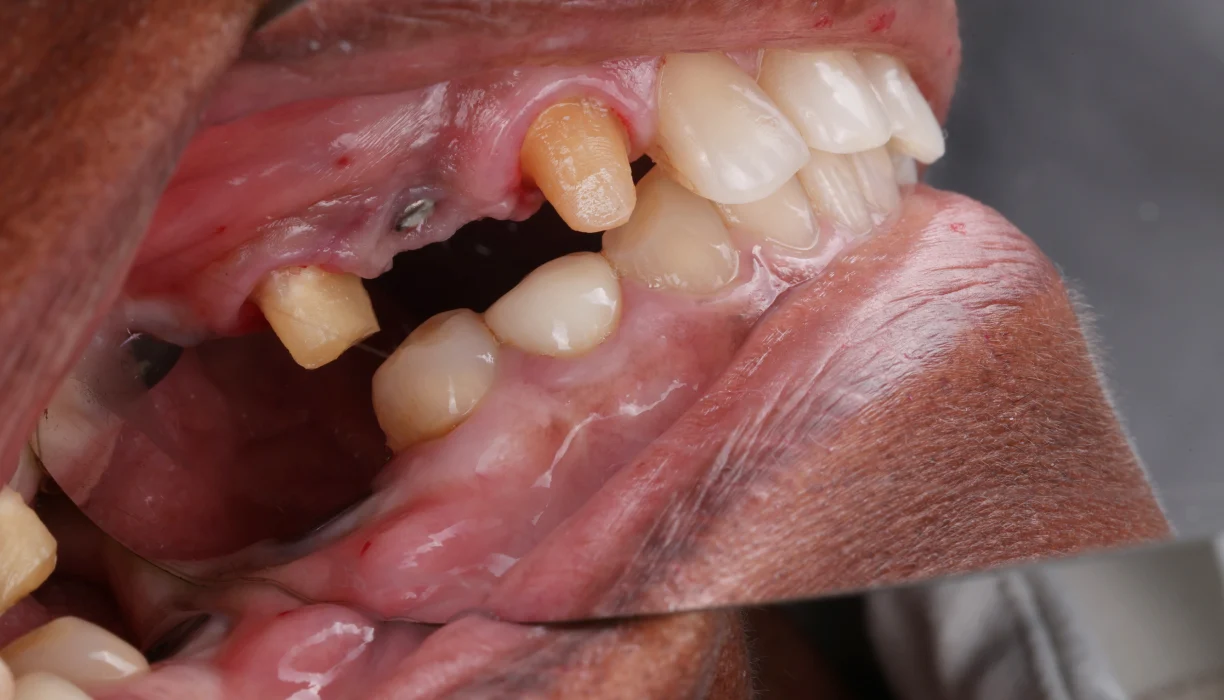
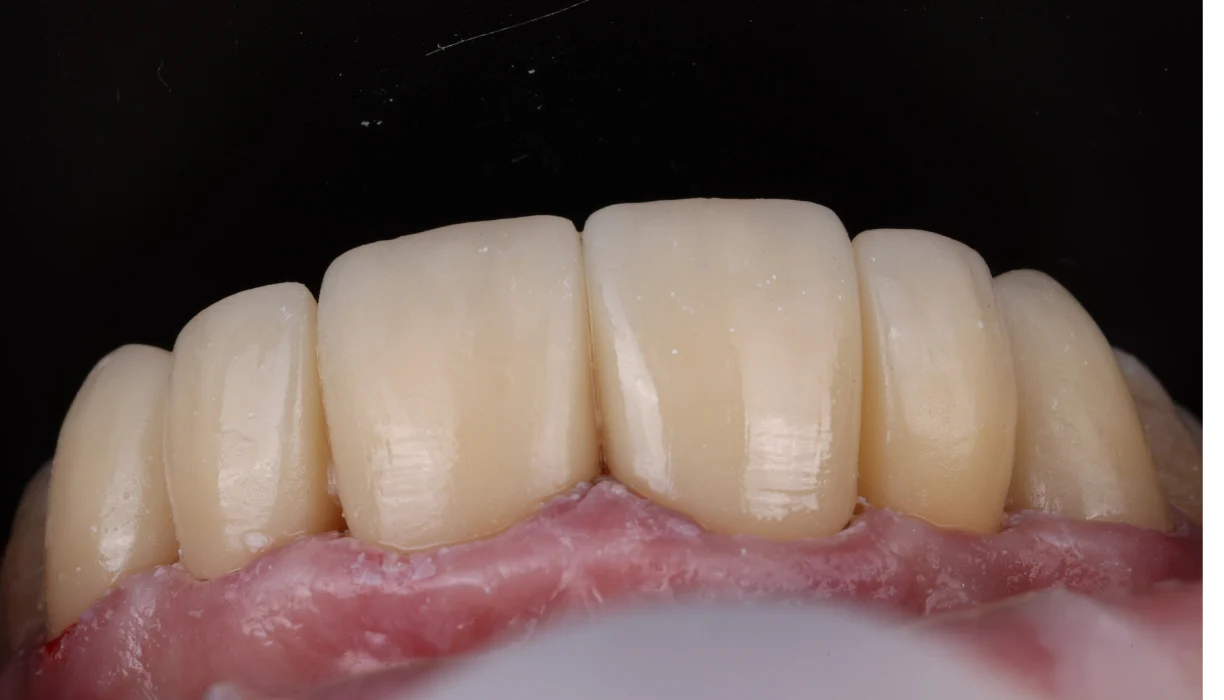
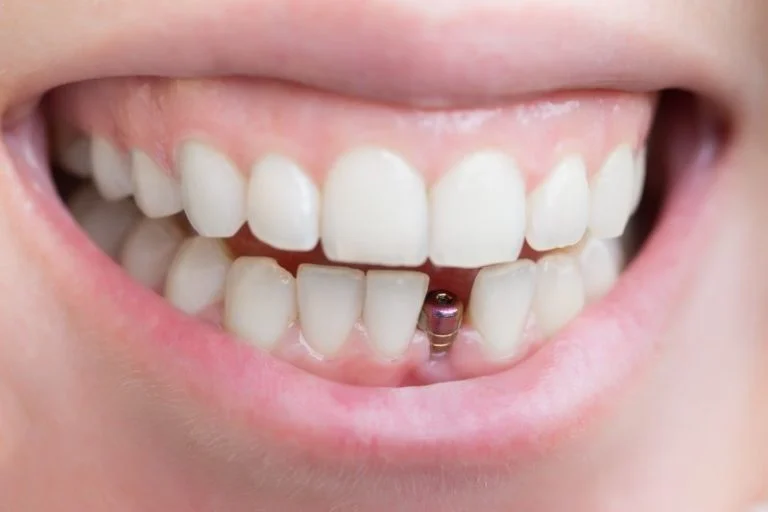
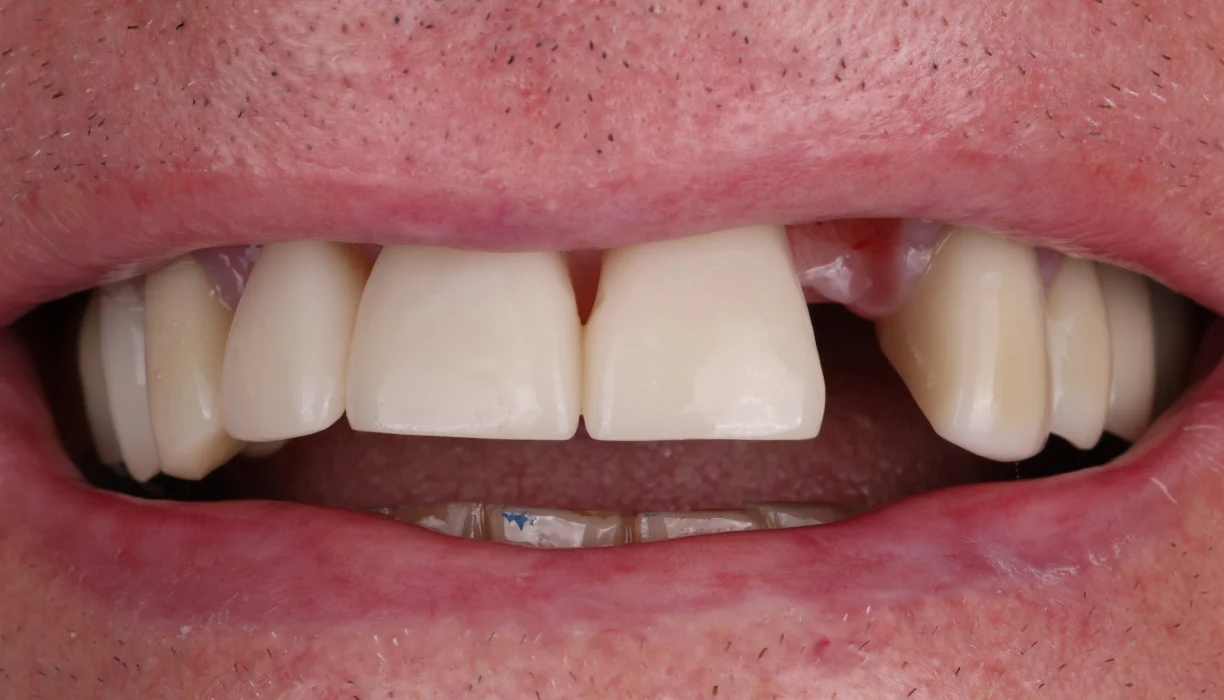
A single tooth implant replaces one missing tooth from the root up. A small titanium post takes the place of the natural root and is set into the jawbone, where bone grows around it and holds it firmly in place. A connector piece sits on top of the post, and a custom crown attaches to that connector. Once finished, the three pieces work together as one tooth.
Planning matters here more than anything else. Patients choosing single tooth dental implants in Naples benefit from cone beam scanning at Galleria Dentistry, which builds a three dimensional model of your jaw so we know exactly where bone, nerves, and sinuses sit before we begin. Digital impressions replace putty trays, and your crown is shaded to match the teeth beside it.
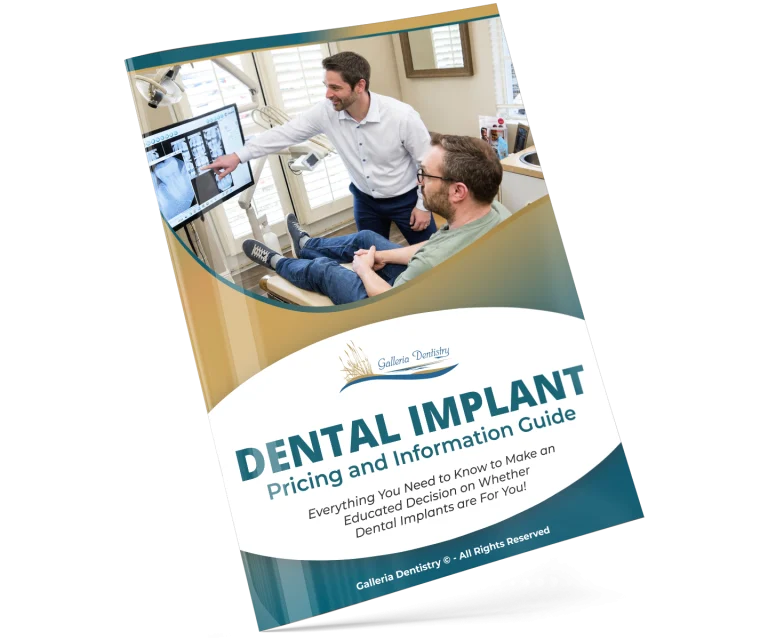
Get Your FREE Dental Implant Information Guide
In the guide, you’ll learn about:
- Dental Implant Options
- Factors That Affect Your Eligibility
- And More!
Benefits of Single Tooth Dental Implants
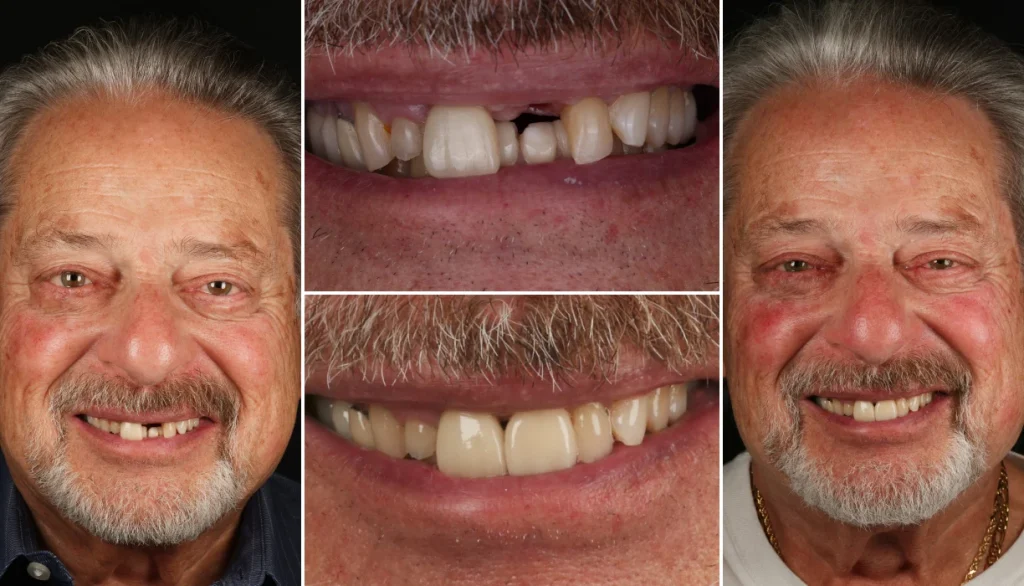
One Missing Tooth, Replaced
Dental Crowns & Bridges
Single Tooth Dental Implants
Be our Next Success Story!
Request an appointment with one of our doctors and start your smile journey today.
Are Single Tooth Implants Right for You?
Still Not Sure Where You Stand?
What to Expect With Single Tooth Implants
Consultation and Scan
Your first visit is mostly conversation and imaging. We examine the space, check the health of the surrounding teeth and gums, and capture a cone beam scan that maps your jaw in three dimensions. You will see the images on screen with us, and you will leave knowing exactly what treatment looks like for your tooth.
Planning Your Implant
Using your scan, we plan the exact position, angle, and depth of the post before anything happens in the chair. If you need a small amount of bone built up first, we walk through that with you now rather than as a surprise later. Nothing about your treatment day is improvised.
Placing the Post
On placement day, the area is numbed completely, and nitrous oxide sedation is available if you would like it. The titanium post is set into the planned position, and a protective cap covers it while you heal. Most patients describe pressure rather than discomfort, and most are back to normal activity the next day.
Healing and Fusing
Over the next three to six months, bone grows tightly around the post and locks it in place. This is what gives an implant its strength, and it happens quietly while you go about your life. We check in along the way, and you will still eat, work, and smile normally throughout.
Your New Tooth
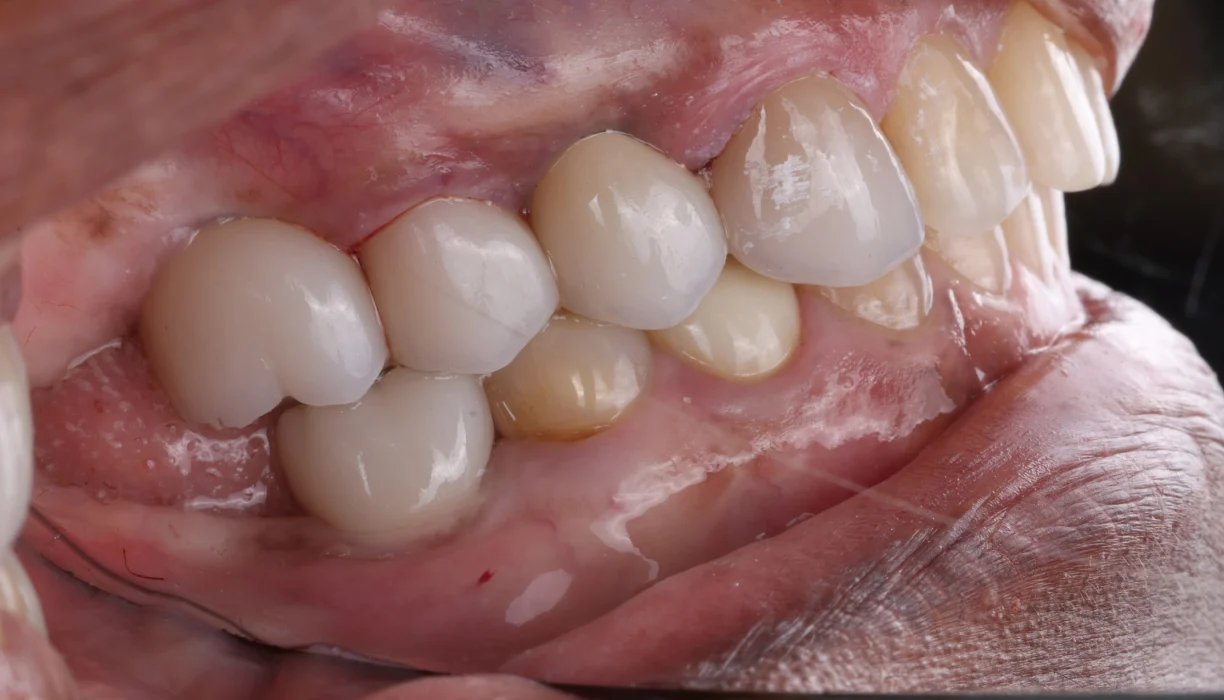
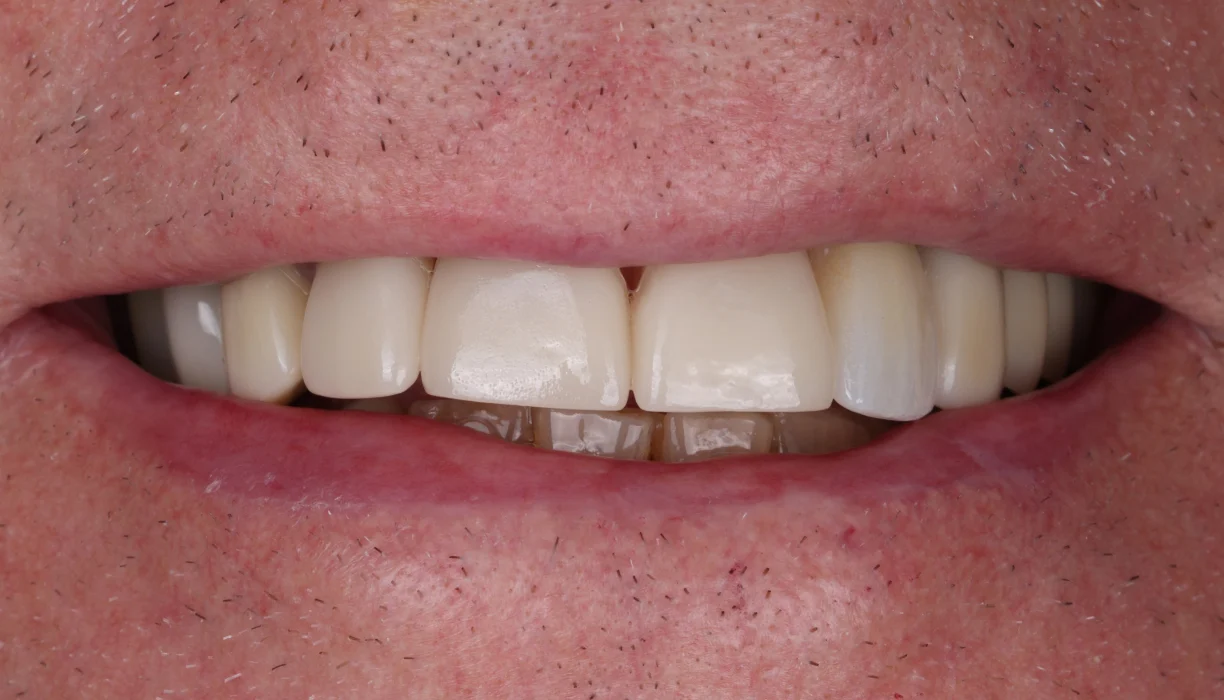
Once the post is solid, we attach the small connector piece and place your custom crown. Digital impressions replace the old putty trays, and we match the shade to the teeth on either side so nothing stands out. You bite down, we adjust until it feels right, and the gap is gone.
Ready to Stop Working Around a Missing Tooth?
Recovering After Your Single Tooth Implant
First 24 to 48 Hours
Expect mild soreness and some swelling around the site, both easily managed with over the counter pain relief and a cold compress. Rest, stick to soft foods, and skip anything hot or crunchy. Most patients feel comfortable enough to return to work the following day.
First 1 to 2 Weeks
Tenderness fades quickly during this stretch, and normal foods gradually come back into your routine. Keep the area clean with gentle brushing and the rinse we recommend, and avoid chewing directly on that side for a little while. By the end of two weeks, most patients have stopped thinking about it.
Long-Term Healing
Bone fusing to the post continues quietly for three to six months, and this stage asks almost nothing of you. Eat normally, brush and floss as usual, and keep your regular checkups. Each visit confirms things are moving exactly as planned before your crown goes on.
Questions About Recovery? We answer every one.
Quality Dental Care That Fits Your Budget
Cost should not be the reason treatment waits. We work with three financing companies, so you can spread payments across months that suit your budget rather than paying for everything at once.
NO Credit Score Impact Until Plan Selected.
Get Approved and Start Your Treatment Today
Single Tooth Implant FAQs
Does getting a single tooth implant hurt?
How long does the whole process take?
Will anyone be able to tell it is not a real tooth?
How long does a single tooth implant last?
Should I choose an implant or a bridge?
What if I was told I do not have enough bone?
Do you place the implant here, or refer me out?
Will my insurance cover a single tooth implant?
How do I take care of it once it is done?
What happens if I keep putting this off?
Still Have Questions?