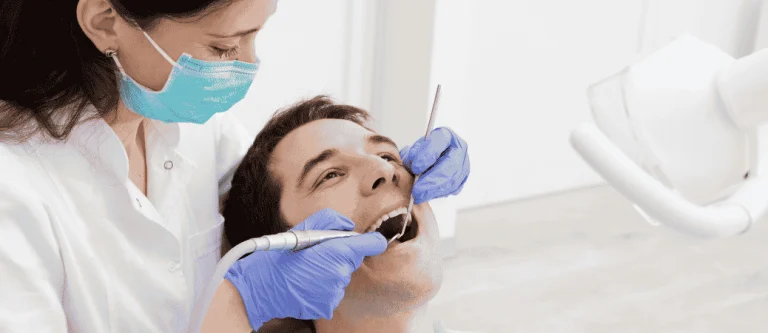

A sharp, throbbing pain in your tooth can make you assume you have a cavity. But what happens when your dentist examines your teeth and finds no signs of decay? You’re not alone in this confusing situation.
Severe tooth pain without a visible cavity can result from cracked teeth, gum disease, teeth grinding, sinus infections, or exposed tooth roots that irritate the same nerve fibers as decay.
Many people experience toothaches even when they have no visible signs of a cavity, and the pain feels just as real and intense.
Your oral health depends on understanding what’s causing your discomfort so you can get the right treatment.
The good news is that non-cavity tooth pain is treatable once you identify the real problem.
This guide will help you understand what might be causing your severe toothache, when you need to see a dentist right away, and what relief options are available to you.
Key Takeaways
- Tooth pain without decay is often caused by cracked teeth, gum problems, grinding, or nerve sensitivity
- You should see a dentist immediately if you have constant throbbing pain, swelling, fever, or pain when biting down
- Treatment options range from protective mouthguards and desensitizing toothpaste to root canals depending on the cause
Table of Content
- Possible Causes of Severe Tooth Pain Without Cavities
- Recognizing Symptoms That Need Immediate Attention
- How Dentists Diagnose Severe Toothache Without Decay
- Relief and Treatment Options for Non-Cavity Tooth Pain
- Best Practices for Preventing Future Tooth Pain
- Frequently Asked Questions
Possible Causes of Severe Tooth Pain Without Cavities
Tooth pain without a cavity usually stems from problems that irritate the nerve inside your tooth or the tissues around it.
Cracks, worn enamel, inflamed gums, and grinding habits can all trigger sharp or throbbing pain that feels just like decay.
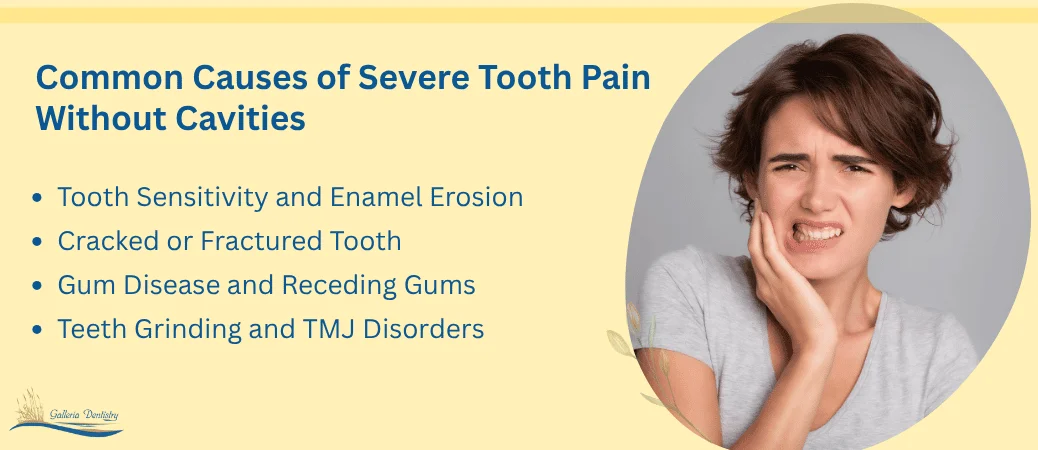
Tooth Sensitivity and Enamel Erosion
Tooth sensitivity happens when your protective enamel wears down and exposes the layer underneath called dentin. This layer contains tiny tubes that lead straight to your tooth’s nerve.
When you eat or drink something hot, cold, sweet, or acidic, fluids move through these tubes and trigger pain.
Enamel erosion occurs from acidic foods, aggressive brushing, or acid reflux that gradually dissolves your tooth’s outer shell.
Common triggers for sensitive teeth include:
- Ice water or hot coffee
- Sugary snacks
- Citrus fruits and juices
- Cold air when breathing
The pain from exposed dentin typically lasts just a few seconds after the trigger disappears. If you notice your teeth ache when you brush near the gum line or sip cold drinks, enamel loss might be the culprit.
Cracked or Fractured Tooth
A cracked tooth can cause sharp pain when biting even though you can’t see any damage on the surface.
These fractures often hide between teeth or run vertically along the root where they’re nearly impossible to spot without special imaging.
Cracked tooth syndrome accounts for 34% of unexplained toothaches according to clinical audits. The crack acts like an open window that lets fluids shift inside your tooth and irritate the nerve.
You might feel intense pain when you bite down on the fractured tooth, but the ache disappears as soon as you release pressure.
Chewing hard foods, grinding your teeth at night, or receiving a blow to your mouth can all cause these hidden fractures.
Signs you might have a fractured tooth:
- Pain only when chewing or biting
- Sensitivity to temperature changes
- Discomfort that comes and goes
- Pain in one specific tooth you can’t pinpoint
Gum Disease and Receding Gums
Gum disease starts when plaque builds up along your gum line and causes inflammation. As periodontal disease progresses, your gums pull away from your teeth and expose the sensitive root surfaces underneath.
Receding gums create cavity-like pain because the root doesn’t have protective enamel like the crown of your tooth. Even everyday activities like brushing can sting the exposed nerve.
The ligament that holds your tooth in place also becomes tender when inflamed. This sends sharp aches through your tooth, especially when you chew or apply pressure. You might notice your gums look red, feel swollen, or bleed when you floss.
Gum recession can happen from brushing too hard, smoking, or simply getting older. Once the root surface is exposed, hot and cold foods can trigger quick, sharp pain.
Teeth Grinding and TMJ Disorders
Teeth grinding, also called bruxism, puts enormous pressure on your teeth while you sleep. Studies show nighttime grinders exert up to six times their normal daytime bite force.
This constant clenching saturates the pain fibers in your teeth and causes morning soreness. You might wake up with jaw pain, headaches, or teeth that feel tender when you bite.
Temporomandibular joint disorder affects the hinge where your jaw connects to your skull. TMJ problems can radiate pain to your teeth even though your teeth are completely healthy.
Symptoms of teeth grinding and temporomandibular disorder include:
- Dull headache when you wake up
- Jaw soreness or stiffness
- Clicking sound when opening your mouth
- Worn, flat tooth surfaces
- Persistent tooth pain that moves around
Your jaw muscles can become so tight that they refer pain to your upper or lower teeth. This makes it feel like you have multiple toothaches when the real problem is in your jaw joint.

Recognizing Symptoms That Need Immediate Attention
Not all toothaches require an emergency visit, but certain warning signs mean you need to see a dentist right away. Severe symptoms like uncontrolled bleeding, intense pain that doesn’t respond to medication, or swelling in your face or jaw signal serious problems that can worsen quickly without treatment.
Signs of Dental Abscess and Hidden Infection
A dental abscess is a serious infection that forms around the root of your tooth or between your teeth and gums.
You might notice a pimple-like swelling on your gums that oozes when pressed. The area feels tender and may throb with pain.
Dental abscesses can cause swelling in your face or jaw and need immediate care to prevent the infection from spreading.
Other warning signs include persistent tooth pain that keeps you awake at night, bad breath that doesn’t go away with brushing, and a bitter taste in your mouth. You may also develop a fever or feel generally unwell.
Your face might swell on one side, making it difficult to open your mouth fully. The infection can spread to other parts of your body if left untreated, so call your dentist immediately if you suspect an abscess.
When Tooth Pain Indicates Gum or Periodontal Disease
Bleeding gums during brushing or flossing often signal periodontal disease, which can cause severe toothaches even without visible cavities.
Your gums might appear red, swollen, or pull away from your teeth, creating pockets where bacteria collect. This condition causes persistent tooth pain that feels deep in your jaw.
You may notice your teeth feel loose or shift position slightly. Bad breath that persists despite good oral hygiene is another common sign.
Periodontal disease can destroy the bone supporting your teeth, leading to tooth loss if you don’t get treatment.
The pain from gum disease differs from cavity pain because it affects multiple teeth rather than just one spot. You might experience sensitivity when chewing or notice pus between your teeth and gums.
Identifying Sharp Tooth Pain Versus Dull or Throbbing Ache
Sharp tooth pain that strikes suddenly when you bite down or touch the area often indicates a crack, fracture, or exposed nerve. This type of causes of tooth pain requires immediate attention because the damage can worsen with each bite.
Dull or throbbing tooth pain usually builds gradually and may come from deep decay, infection, or pressure inside the tooth.
Sensitivity to hot and cold foods that lingers for more than a few seconds after removing the trigger suggests nerve involvement.
Pain that wakes you up at night or doesn’t improve with over-the-counter medication needs professional evaluation. Sharp, stabbing sensations when breathing in cold air point to exposed tooth roots or receding gums. The location and type of tooth pain help your dentist determine the underlying cause and urgency of treatment.
How Dentists Diagnose Severe Toothache Without Decay
Dentists use several diagnostic tools to find the source of tooth pain when no cavity is visible. These methods include imaging tests, physical examinations of your bite, and specialized tests to check nerve health.
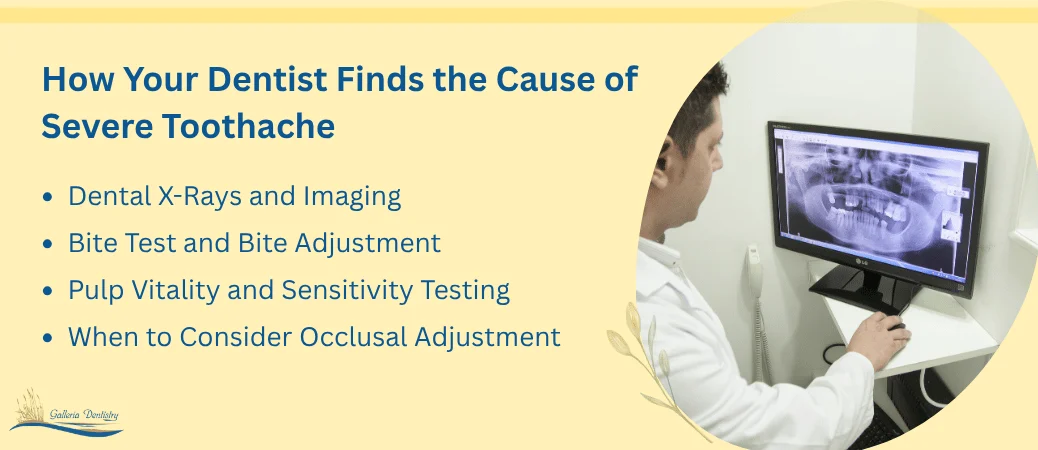
Dental X-Rays and Imaging
Your dentist will likely start with dental x-rays to look for hidden problems that aren’t visible during a regular exam. Standard x-rays can reveal issues like bone loss, abscesses, and cracks in the tooth roots.
Sometimes regular x-rays don’t show everything. In these cases, your dental professional might use more advanced imaging. A cone beam CT scan provides a 3D view of your teeth and jaw.
This detailed image can show tiny fractures, root problems, and bone issues that standard x-rays miss.
X-rays also help rule out problems that might need root canal treatment. They show if infection has spread to the bone around your tooth or if the tooth’s internal structure is damaged.
Bite Test and Bite Adjustment
A bite test helps identify pain caused by how your teeth come together. Your dentist will ask you to bite down on a special tool or stick.
If you feel sharp pain when biting or releasing, this suggests a cracked tooth or bite problem.
Your dentist will also check how your upper and lower teeth meet. Uneven contact points can cause stress on certain teeth. This stress leads to pain even when the tooth itself is healthy.
A bite adjustment might be recommended if your dentist finds uneven pressure points. This procedure involves carefully reshaping small amounts of tooth surface to balance your bite. Many patients feel relief quickly after this treatment.
Pulp Vitality and Sensitivity Testing
Pulp vitality tests check if the nerve inside your tooth is healthy or damaged. Your dentist applies cold, heat, or electrical stimulation to test how your tooth responds.
A cold test uses ice or a refrigerant spray on your tooth. Your dentist watches how quickly you feel the cold and how long the sensation lasts. An exaggerated response or lingering pain suggests inflammation inside the tooth.
Electric pulp testing sends a tiny current through your tooth. You’ll feel a slight tingling that gradually increases. This test measures the nerve’s ability to sense stimulation.
These results help your dentist decide if you need root canal treatment or other procedures.
When to Consider Occlusal Adjustment
An occlusal adjustment becomes necessary when bite problems cause your tooth pain. This treatment works for pain caused by grinding, clenching, or misaligned teeth.
Your dentist will identify high spots where teeth hit too hard during chewing.
The procedure is usually quick and painless. Your dentist uses special marking paper to find exactly where your teeth make excessive contact. Then they carefully smooth these spots with a dental tool.
You might need an occlusal adjustment if you notice pain when chewing, jaw soreness, or headaches along with tooth pain. This treatment often provides immediate relief because it removes the stress causing your discomfort.
Relief and Treatment Options for Non-Cavity Tooth Pain
When tooth pain strikes without a cavity, specific treatments target the underlying cause.
Your dentist can recommend solutions ranging from special toothpastes to protective devices that address the real source of your discomfort.
Desensitizing Toothpaste and Fluoride Treatments
Desensitizing toothpaste works by blocking the tiny tubes in your dentin that connect to your tooth nerves.
When you brush with it twice daily, ingredients like potassium nitrate or stannous fluoride gradually reduce sensitivity over one to two weeks.
Your dentist may also apply professional fluoride treatments directly to your teeth. These concentrated treatments strengthen your enamel and create a protective barrier against pain triggers.
Fluoride toothpaste with higher concentrations than store-bought versions can be prescribed for home use.
For immediate relief, desensitizing treatments applied in-office include fluoride varnishes and bonding agents. These create an instant shield over exposed areas.
You’ll need to avoid extremely hot or cold foods for 24 hours after treatment to let the products fully set.
Managing Cracked Teeth and Fractures
Small cracks in your teeth need dental bonding to prevent them from getting worse. Your dentist applies a tooth-colored resin material that seals the crack and restores the tooth’s strength.
The procedure typically takes 30 to 60 minutes per tooth.
Deeper cracks may require a crown to fully protect the damaged tooth. A crown covers your entire tooth like a cap and prevents the crack from spreading when you bite down.
Without treatment, cracked teeth can lead to infections that reach the inner pulp.
You should avoid chewing hard foods on the affected side until your tooth is repaired. Ice, hard candy, and popcorn kernels are common culprits that make cracks worse.
Night Guards and Bruxism Solutions
A custom night guard protects your teeth from grinding damage while you sleep. Your dentist makes an impression of your teeth to create a guard that fits precisely over your upper or lower teeth.
The device absorbs the force of grinding and prevents your teeth from wearing down.
Bruxism causes not just tooth pain but also jaw soreness and headaches. Wearing your night guard every night helps reduce these symptoms within a few weeks. Over-the-counter guards don’t fit as well and may shift during sleep.
Stress management techniques like meditation or jaw exercises can reduce grinding habits.
Your dentist might also check if your bite alignment contributes to the problem. Some people benefit from physical therapy to relax their jaw muscles.
Scaling, Root Planing, and Advanced Gum Therapy
Scaling and root planing is a deep cleaning that removes plaque and tartar from below your gum line.
This treatment helps when gum disease causes tooth pain by eliminating bacteria that irritate your gums and tooth roots. The procedure usually requires two visits to complete your entire mouth.
Your hygienist numbs your gums before cleaning to keep you comfortable. After scaling, root planing smooths your tooth roots so your gums can reattach properly. This reduces pocket depths where bacteria hide.
Following the procedure, your oral hygiene routine becomes critical. You’ll need to brush twice daily and floss once to prevent gingivitis from returning.
Your dentist may prescribe an antimicrobial mouth rinse to use for several weeks. Regular cleanings every three to four months help maintain the results and keep your gums healthy.
Best Practices for Preventing Future Tooth Pain
Taking care of your teeth every day can stop many types of pain before they start. Regular dental visits and proper brushing habits work together to protect your teeth and gums from problems that cause discomfort.
Optimal Oral Hygiene and Brushing Techniques

You need to brush your teeth twice a day for two minutes each time using fluoride toothpaste.
Hold your toothbrush at a 45-degree angle to your gums and use gentle circular motions instead of scrubbing back and forth.
Flossing once daily removes food and bacteria from between your teeth where your brush can’t reach. This helps prevent tooth decay and gum disease that can cause pain even without visible cavities.
Replace your toothbrush every three to four months or sooner if the bristles look worn. Use an antiseptic mouthwash once or twice daily to kill bacteria that cause bad breath and gum problems.
Key daily habits for oral health:
- Brush twice daily with fluoride toothpaste
- Floss between all teeth once per day
- Rinse with antiseptic mouthwash
- Limit sugary foods and drinks
- Drink water throughout the day
Monitoring for Signs of Gum and Bite Issues
Watch for early warning signs that something is wrong with your gums or bite.
Receding gums expose sensitive tooth roots and create pockets where bacteria grow. You might notice your teeth look longer or feel more sensitive to hot and cold.
Pay attention if you wake up with jaw pain or headaches. These signs often mean you’re grinding your teeth at night. Teeth grinding wears down enamel and can crack teeth, leading to pain without any cavity.
Check your gums for redness, swelling, or bleeding when you brush. Healthy gums should be pink and firm. Bad breath that doesn’t go away after brushing can signal gum disease or other dental problems.
When to See a Dental Professional for Ongoing Pain
See your dentist right away if tooth pain lasts longer than one or two days. Professional diagnosis prevents infections from spreading to other parts of your face or body.
Schedule regular dental checkups every six months for professional cleaning and examination. Your dental professional can spot problems like cracks, gum disease, or bite issues before they cause severe pain.
You should call your dentist immediately if you have fever, swelling in your jaw or face, or pain when opening your mouth wide. These symptoms need quick treatment to prevent serious complications.
Frequently Asked Questions
Tooth pain without a visible cavity can be confusing and stressful. These common questions address the hidden causes, emergency steps, and when to seek professional care.
Why is my tooth hurting if there’s no visible cavity?
Your tooth can hurt for several reasons that have nothing to do with decay. Tooth pain without visible decay is usually caused by pulp inflammation from cracks, gum disease, bite stress, sinus pressure, recent dental work, or nerve hypersensitivity.
Tiny cracks in your tooth enamel can let bacteria reach the inner layers. These cracks might be too small to see with your eyes.
Grinding your teeth at night puts pressure on your tooth structure. This constant force can irritate the nerves inside your tooth even when the outside looks fine.
Gum disease can cause your gums to pull away from your teeth. This exposes the sensitive root surfaces that normally stay protected under your gum line.
What could cause sudden sharp tooth pain that goes away quickly?
Sharp, brief pain often comes from exposed dentin or a cracked tooth. When you bite down or expose the tooth to hot or cold temperatures, it triggers the nerve momentarily.
Temperature sensitivity happens when the protective enamel layer wears thin. The dentin underneath contains tiny tubes that connect directly to your tooth’s nerve.
A crack might open slightly when you chew and then close again. This quick movement can cause a sharp jolt of pain that disappears as soon as you stop biting.
Sinus pressure can also create sharp pain in your upper back teeth. Your sinus cavities sit right above these tooth roots, and inflammation can press down on them.
What should I do at home if my tooth pain is unbearable right now?
Take over-the-counter pain relievers like ibuprofen or acetaminophen right away. These medications can reduce both pain and inflammation while you wait to see a dentist.
Rinse your mouth with warm salt water to reduce inflammation and clean the area. Mix half a teaspoon of salt into 8 ounces of warm water, swish for 30 seconds, then spit it out.
Apply an ice pack to the outside of your cheek near the painful tooth. Hold it there for 20 minutes at a time to numb the area and reduce swelling.
Keep your head elevated, even when lying down. This prevents blood from pooling in your head and making the pain worse.
Avoid extremely hot, cold, or sugary foods and drinks. These can trigger more pain by irritating the exposed nerves in your tooth.
Why might a dentist or X-ray show nothing even though my tooth still hurts?
Some dental problems don’t show up clearly on standard X-rays. Hairline cracks in teeth can be too thin to appear on imaging, but they still cause real pain.
Early-stage pulp inflammation might not create visible changes yet. The nerve inside your tooth can be irritated and painful before any structural damage appears.
Referred pain can make it hard to identify which tooth actually hurts. Your brain sometimes misinterprets pain signals, making you feel pain in a healthy tooth when the problem is somewhere else.
Nerve sensitivity issues don’t always have a physical cause that shows up on scans. Sometimes your nerves overreact to normal stimuli without any visible damage to your tooth structure.
What does the 3-3-3 rule for toothaches mean, and is it safe to follow?
The 3-3-3 rule suggests taking three ibuprofen and three acetaminophen together for severe tooth pain. While this combination can be effective for pain relief, you should not follow this advice without talking to a doctor or pharmacist first.
Combining medications can be dangerous if you have certain health conditions. Liver problems, kidney issues, or stomach ulcers can make this approach unsafe.
The maximum safe dose varies by your weight and medical history. Taking too much of either medication can cause serious organ damage.
This approach only masks the pain temporarily. It doesn’t treat the underlying problem causing your toothache, so you still need professional dental care.
How long can a toothache last before the nerve becomes permanently damaged?
A tooth nerve can start dying within a few days to weeks of severe pain or infection. Once the nerve dies completely, the pain might actually stop, but the problem gets much worse.
Untreated infections can spread to your jawbone and other parts of your body. The bacteria don’t just stay in your tooth; they can enter your bloodstream and cause serious health problems.
You should see a dentist within 24 to 48 hours of severe tooth pain starting. Early treatment can often save your tooth and prevent the need for more extensive procedures.
Even if the pain comes and goes, don’t wait. Intermittent pain means your tooth is trying to heal itself but keeps getting re-injured or re-infected.