
Biting into your meal and feeling a sudden crack in your tooth can be scary. You might wonder if you need to rush to the dentist right away or if you can wait until morning.
If you crack a tooth while eating, you need to protect it from more pressure and get it checked by a dentist as soon as possible to prevent the damage from getting worse.
A cracked tooth is considered a dental emergency and needs quick attention. The crack can deepen over time, leading to pain, infection, and more serious problems.
The good news is that there are simple steps you can take right now to protect your tooth until you can see a dentist.
Knowing what to do in those first minutes and hours after cracking a tooth can make a big difference. The right actions can help reduce pain, prevent infection, and give your dentist the best chance to save your tooth.
Key Takeaways
- Rinse with warm salt water and avoid chewing on the cracked tooth to prevent further damage
- Contact your dentist quickly because cracks can worsen and lead to infection if left untreated
- Protect your teeth long-term by avoiding hard foods and wearing a mouthguard during sports
Table of Content
- Recognizing Tooth Damage After Eating
- Immediate Actions to Take at Home
- When and How to Seek Professional Help
- Diagnosis and Treatment Options
- Long-Term Prevention and Oral Health
- Frequently Asked Questions
Recognizing Tooth Damage After Eating
A cracked tooth doesn’t always announce itself with dramatic pain. Sometimes the signs are subtle at first, like a slight twinge or an odd sensation when you bite down that makes you pause mid-chew.

Common Symptoms and Warning Signs
The most common sign of a cracked tooth is pain when chewing, especially when you release pressure. This happens because the crack flexes slightly under force and irritates the inner tooth structure.
You might also notice sharp sensitivity to hot or cold foods and drinks. A sip of coffee or a bite of ice cream could trigger a quick jolt of discomfort that wasn’t there before.
This sensitivity often feels localized to one specific tooth rather than spreading across your mouth.
Other warning signs include:
- A rough or sharp edge you can feel with your tongue
- Gum swelling or tenderness near one tooth
- A feeling that something is “stuck” between your teeth when nothing is there
- Pain that comes and goes unpredictably
- Discomfort when eating sweet foods
Some people also notice a bad taste in their mouth if bacteria has entered the crack. If you see visible tooth fragments or notice a piece of your tooth has broken off, that’s a clear sign you need attention soon.
Types of Cracks and Breaks
Not all tooth damage looks or feels the same. Craze lines are tiny surface cracks in your enamel that often don’t cause pain. They’re common and mostly cosmetic, though they can sometimes lead to mild sensitivity.
A chipped tooth happens when a piece of enamel breaks away. This might just affect appearance, or it could expose deeper layers that become sensitive.
A true tooth crack extends deeper into the tooth structure and can cause the intermittent pain that confuses many people.
A split tooth occurs when the crack has progressed enough that the tooth separates into distinct segments. Vertical root fractures start in the root and move upward, making them harder to detect early.
How Cracks Develop While Chewing
Cracked teeth often result from chewing hard foods like ice, popcorn kernels, nuts, or hard candies. But the bite that causes the crack isn’t always the real culprit. Sometimes it’s the final straw after years of wear.
Bruxism, or teeth grinding during sleep, weakens your teeth over time. This makes them more vulnerable to breaking during normal eating. Large fillings can also weaken the remaining tooth structure, creating weak spots that crack under pressure.
Your teeth expand and contract slightly with temperature changes. Drinking hot coffee followed immediately by ice water creates stress that can contribute to cracks over time.
Age is another factor, as teeth naturally become more brittle after years of chewing forces.
Immediate Actions to Take at Home
Taking quick steps right after cracking a tooth can help reduce pain and prevent the damage from getting worse.
Rinsing your mouth, managing any broken pieces, and protecting the tooth are key actions to take before you can see a dentist.
Stabilizing the Tooth and Reducing Pain
Rinse your mouth gently with warm water right away. This cleans the area around your cracked tooth and removes any food particles that could cause irritation.
Apply a cold compress to the outside of your cheek near the damaged tooth. Hold it there for 15 minutes at a time to reduce swelling and numb the area. You can repeat this every few hours as needed.
Take over-the-counter pain relievers like ibuprofen or acetaminophen to manage tooth pain. These medications help control discomfort while you wait for your dental appointment.
If you notice sensitivity to hot or cold, avoid extreme temperatures in food and drinks.
Salt water rinses can provide additional relief. Mix half a teaspoon of salt in a cup of warm water and swish it around your mouth gently. This helps clean the tooth and reduces inflammation.
Safely Handling Tooth Fragments
Check your mouth carefully for any broken pieces of tooth. Look around the damaged area and feel gently with your tongue to locate tooth fragments.
Remove any loose pieces you find, but be careful not to pull on anything still attached to your tooth. Spit out small fragments rather than swallowing them.
If you find a larger piece of tooth, rinse it gently with water and place it in a small container with milk or saliva.
Bring this piece with you to your dental emergency appointment. Your dentist may be able to use it during treatment.
Avoid touching the cracked area with your fingers. This can introduce bacteria and increase the risk of infection.
Temporary Protection for Sharp or Jagged Edges
Cover any sharp edges on your cracked tooth to protect your tongue, cheeks, and gums from cuts. You can use dental wax, which is available at most pharmacies.
Press a small piece of dental wax over the jagged edge of the tooth. Soften the wax between your fingers first to make it easier to apply. This creates a smooth barrier until you can get professional care.
Sugar-free gum works as an alternative if you don’t have dental wax. Chew it briefly to soften it, then press it over the sharp area.
Some pharmacies also sell temporary filling material that can cover exposed areas and reduce pain when chewing.
Replace the wax or gum if it falls off, especially before eating or sleeping.
Foods and Habits to Avoid
Stick to soft foods that don’t require much chewing. Good options include yogurt, scrambled eggs, mashed potatoes, soup, and smoothies. These foods won’t put pressure on your damaged tooth.
Foods to Avoid:
- Hard candy and nuts
- Ice cubes
- Crunchy chips and crackers
- Chewy foods like caramel or gum (except for temporary protection)
- Very hot or cold items
Don’t chew on the side of your mouth with the cracked tooth. This prevents the crack from spreading deeper into the tooth structure.
Avoid sticky or sugary foods that can get trapped in the crack and cause decay. Skip acidic drinks like soda and citrus juice, as these can irritate the exposed tooth.
Brush your teeth gently around the damaged area. Use a soft-bristled toothbrush and be extra careful near the crack to avoid causing more damage.
When and How to Seek Professional Help
Getting prompt dental care can prevent a cracked tooth from turning into a bigger problem. Knowing the warning signs and understanding what happens during your visit will help you act quickly and feel prepared.


Signs You Need Urgent Dental Care
You should contact an emergency dentist right away if you experience sharp pain when biting down or chewing. This type of pain often means the crack has reached deeper into your tooth structure.
Persistent pain that lasts more than a few hours signals you need immediate attention. If you notice swelling in your gums or face near the damaged tooth, this could mean an infection is starting.
Bleeding that won’t stop after 10 minutes also requires urgent care.
Watch for these emergency signs:
- Severe pain that keeps you awake
- Visible pieces of tooth missing
- Sensitivity to hot or cold that causes intense discomfort
- A loose tooth or one that feels unstable
- Fever along with tooth pain
If your tooth turns dark or gray, the nerve inside may be dying. Don’t wait to see if symptoms improve on their own. A cracked tooth dental emergency can worsen quickly without treatment.
What to Expect at the Dental Office
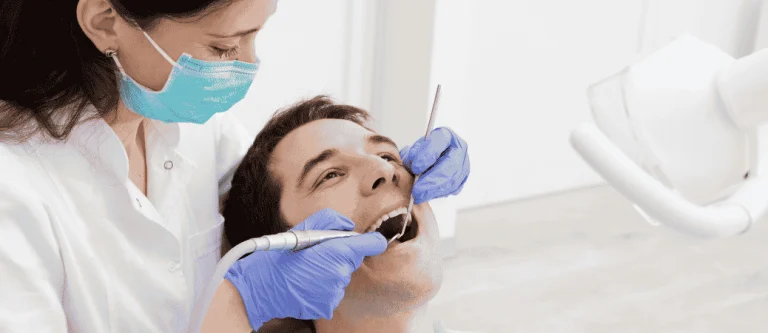
Your dentist will start by examining your tooth and asking about your symptoms. They’ll look at when the crack happened and what type of pain you’re feeling. X-rays help show the location and depth of the crack.
The dentist may use special tools to check for cracks that aren’t visible to the eye. They’ll test your bite and may apply cold to see how your tooth reacts. This helps them figure out if the nerve is damaged.
Treatment options depend on the crack severity:
| Crack Type | Treatment Needed |
| Minor surface crack | Polishing or bonding |
| Crack into tooth layer | Crown placement |
| Crack reaching nerve | Root canal then crown |
| Severe vertical crack | Tooth extraction |
If the crack reaches the pulp or causes nerve damage, you’ll need a root canal before placing a crown. Root canals have a success rate over 95%.
Your dentist will explain each step and answer your questions before starting any work.
Options for Emergency Dental Services
Most dental offices reserve time slots for urgent dental care situations. Call your regular dentist first and describe your symptoms in detail. Many practices offer same-day appointments for dental emergencies.
If your dentist isn’t available, look for an emergency dental clinic in your area. These clinics often have extended hours including evenings and weekends. Some operate 24 hours a day for after-hours emergencies.
Where to get help:
- Your regular dental office (call first)
- Emergency dental clinics with weekend hours
- Hospital emergency rooms for severe cases
- Dental school clinics that offer reduced fees
Walk-in dental clinics can help if you can’t get an appointment quickly. Hospital emergency rooms can treat severe pain and infections but may not fix the tooth itself. They’ll prescribe medication and refer you to a dentist for follow-up care.
Many emergency dental services accept various insurance plans. Ask about payment options if you don’t have dental coverage.
Diagnosis and Treatment Options
Your dentist will use specific tools and imaging to find the crack and determine which repair method will work best. Treatment ranges from simple bonding for small cracks to root canals or crowns for deeper damage.

Dental Imaging and Examination
Your dentist will start by asking about your tooth pain and when it started. They’ll look closely at your teeth to find visible cracks or chips.
Diagnosing a cracked tooth often requires special techniques beyond a visual exam. Your dentist may use transillumination, which shines a bright light through your tooth to make cracks more visible.
They might also have you bite down on a special tool to see which tooth causes pain.
X-rays can help show cracks that extend below the gum line. In some cases, your dentist may recommend a cone-beam CT scan for a more detailed view.
This imaging shows the crack’s depth and whether it reached the tooth’s inner pulp.
The exam helps determine if you’re dealing with a dental emergency that needs immediate care. Your dentist will classify the crack type to plan the right treatment.
Restorative Techniques for Minor Cracks
Small cracks that only affect the outer enamel often need minimal treatment. Your dentist may smooth rough edges or use dental bonding to seal the crack and prevent it from spreading.
Composite resin bonding involves applying a tooth-colored material directly to the crack. This technique works well for minor cosmetic fixes and shallow fractures. The material bonds to your tooth and protects it from further damage.
A dental crown may be recommended if the crack extends into the tooth’s structure but hasn’t reached the pulp. The crown acts as a cap that covers and protects your entire tooth.
This option is common for moderate cracks that could worsen without protection.
Porcelain veneers are another option for front teeth with minor cracks. These thin shells cover the front surface of your tooth and restore its appearance.
Your dentist will help you choose between these options based on the crack’s location and size.
Managing Severe Fractures or Root Involvement
Deep cracks that reach the tooth’s pulp require more involved treatment. You’ll likely need a root canal to remove damaged nerve tissue and prevent infection.
During a root canal procedure, your dentist removes the infected or damaged pulp from inside your tooth. They clean the inside chambers and seal them with temporary filling material, then a permanent filling.
A crown is usually placed over the tooth afterward to protect it and restore function.
Some severe fractures can’t be saved, especially if the crack extends below the gum line or splits the tooth vertically. In these cases, tooth extraction may be your only option. Your dentist will discuss replacement options like implants or bridges.
Treatment for a broken tooth depends on how quickly you seek care. The sooner you address a broken tooth, the better your chances of saving it. Waiting too long increases the risk of infection and tooth loss.
Costs and Recovery Considerations
Treatment costs vary widely based on the crack’s severity and your chosen procedure. Simple bonding may cost a few hundred dollars, while crowns typically range from $800 to $3,000 per tooth.
Root canal treatment combined with a crown can cost between $1,500 and $4,000. Dental insurance often covers part of these costs, especially for necessary procedures rather than cosmetic work.
Check your coverage details before scheduling treatment.
Recovery time depends on your procedure. Bonding requires no recovery time, and you can eat normally right away. Crown placement may cause sensitivity for a few days.
Root canals typically involve mild discomfort for a few days that improves with over-the-counter pain medication.
Your dentist may give you specific care instructions, such as:
- Avoid hard or crunchy foods for several days
- Take prescribed medications as directed
- Use a soft-bristled toothbrush near the treated area
- Schedule follow-up appointments to monitor healing
Most people return to normal activities within a day or two after minor procedures. More extensive work like root canals may require a week for full recovery.
Long-Term Prevention and Oral Health
Protecting your teeth from future cracks requires changes to daily habits and consistent professional care. Simple adjustments to what you eat and how you care for your teeth can make a big difference in keeping them strong.
Minimizing the Risk of Future Cracks

You can reduce your chances of cracking teeth by avoiding certain foods and habits. Chewing hard foods like ice, popcorn kernels, and hard candy puts unnecessary stress on your teeth.
Cut tough foods into smaller pieces before eating them. This makes them easier to chew and puts less pressure on your teeth. Be careful with foods that have hidden hard parts like olive pits or fruit seeds.
Foods and habits to avoid:
- Ice cubes
- Hard candy and lollipops
- Popcorn kernels
- Pens and pencils (chewing on objects)
- Using your teeth to open packages
Craze lines are tiny cracks in tooth enamel that don’t usually cause problems. But they can become deeper cracks if you keep putting stress on your teeth. Taking care of these small issues early helps prevent bigger problems later.
Bruxism and Night Guard Recommendations
Bruxism means grinding or clenching your teeth, often while you sleep. This habit wears down your teeth and can cause them to crack over time. Many people don’t even know they grind their teeth until a dentist points it out.
Signs you might have bruxism include jaw pain, headaches when you wake up, and worn tooth surfaces. Your dentist can spot these warning signs during an exam.
A night guard is a custom-fitted plastic device that protects your teeth while you sleep. It creates a barrier between your upper and lower teeth so they can’t grind against each other.
Your dentist takes an impression of your teeth to make a guard that fits perfectly.
Store-bought guards from the pharmacy don’t fit as well and may not protect your teeth properly. The custom guards from your dentist last longer and work better because they’re made specifically for your mouth.
Maintaining Regular Dental Checkups
Regular dental checkups help catch small cracks before they turn into bigger problems. Your dentist can see issues that you might miss on your own.
Visit your dentist every six months for cleanings and exams. During these visits, your dentist checks for cracks, weak spots, and other tooth damage. They can also spot early signs of problems that might lead to cracks.
Professional cleanings remove buildup that weakens teeth over time. Your dentist or hygienist can also show you better brushing and flossing techniques to keep your teeth healthy between visits.
Tell your dentist right away if you notice any tooth pain or sensitivity. Early detection makes treatment easier and helps prevent serious complications like infections or tooth loss.
Frequently Asked Questions
A cracked tooth can happen suddenly and raise many questions about what to do next. Most cracked teeth need professional care within 24 hours to prevent infection, but there are steps you can take at home to protect the tooth until your appointment.
What should I do right away if I crack a tooth while eating?
Stop eating immediately and rinse your mouth with warm water. This helps clean the area and removes any food pieces that might be stuck in the crack.
If you can see the broken piece in your mouth, gently remove it. Save any large fragments in a clean container with milk or your saliva, as your dentist may need to see them.
Call your dentist right away to schedule an emergency appointment. Explain what happened so they can determine how quickly you need to be seen.
How can I protect a cracked tooth and keep it from getting worse until I see a dentist?
Avoid chewing on the side of your mouth where the crack is located. This prevents putting pressure on the damaged tooth that could make the crack spread.
If the tooth has sharp edges, you can cover it with dental wax or sugar-free gum. This protects your tongue and cheeks from getting cut.
Stick to soft foods like yogurt, mashed potatoes, and soup. Avoid hard foods like ice or hard candy that could cause more damage.
Don’t use the cracked tooth to bite down on anything. Even foods that seem soft can put enough force on the tooth to worsen the crack.
If my tooth is cracked but doesn’t hurt, is it still serious?
Yes, a cracked tooth is still a problem even without pain. Some cracks are shallow and only affect the outer layer of the tooth, but you can’t tell how deep a crack goes just by how it feels.
Pain often doesn’t show up right away with a cracked tooth. The crack can slowly get deeper over time and eventually reach the nerve, which causes severe pain and may require more complex treatment.
Bacteria can enter through even small cracks. This can lead to infection inside the tooth, which is harder and more expensive to treat than fixing the crack early.
How long can I wait before a cracked tooth gets worse or becomes infected?
You should see a dentist within 24 hours if the crack exposes the inner layers of your tooth. Minor surface cracks called craze lines may wait until your next regular checkup, but deeper fractures need fast attention.
Waiting too long increases the risk of infection. Once bacteria get inside the tooth through the crack, they can cause an abscess that may need a root canal or extraction.
The longer you wait, the more likely the crack will spread. Temperature changes from hot and cold foods, normal chewing pressure, and even grinding your teeth at night can all make a crack worse over time.
Are there any safe at-home options for managing a cracked tooth if I can’t get to a dentist yet?
Over-the-counter pain relievers like ibuprofen can help manage discomfort until your dental appointment. Follow the package directions and don’t place aspirin directly on your gums, as this can burn the tissue.
Apply a cold compress to the outside of your cheek near the cracked tooth for 15 minutes at a time. This reduces swelling and numbs pain temporarily.
Rinse with warm salt water several times a day to keep the area clean. Mix half a teaspoon of salt in a cup of warm water and swish it gently around your mouth.
Avoid very hot or very cold foods and drinks. Temperature extremes can cause sharp pain if the crack reaches the sensitive inner parts of your tooth.
How do I know if a cracked tooth needs a crown, a root canal, or to be pulled?
The treatment depends on how deep the crack goes and where it’s located. Your dentist will take X-rays and examine the tooth to see if the crack extends into the root or affects the nerve.
If the crack only affects the outer enamel or extends slightly into the dentin layer, a crown can usually protect and restore the tooth. The crown covers the entire tooth and holds it together.
When a crack reaches the pulp where the nerve is located, you’ll likely need a root canal first to remove the damaged nerve tissue. After the root canal heals, your dentist will place a crown over the tooth.
If the crack runs vertically down into the root or splits the tooth in half, extraction may be your only option. Teeth cracked below the gum line typically can’t be saved because the root structure is compromised.